
IED course icon
IED Unit 0 • Lesson 0.3

Safety Acknowledgment, PPE & FabLab Orientation

Focus Question: How do safe habits make engineering work possible?

Mission Briefing

Today’s Plan

Connect safe behavior to engineering quality, shared responsibility, and permission to use equipment.

Learning Targets

  • Identify major safety expectations for the engineering classroom and FabLab.
  • Explain PPE and safe behavior expectations around tools and materials.
  • Understand the signed acknowledgment requirement before tool use.

Success Looks Like…

You can recognize an unsafe condition, stop, and explain the correct next action.

Core habit: When something seems unsafe, stop immediately and ask before continuing.
Opening prompt
Why safety matters
PPE + behavior
FabLab orientation
Scenario vote
Acknowledgment
Debrief
Opening Prompt

What can go wrong before a tool is even turned on?

Safety begins with awareness, preparation, and behavior—not only with emergency response.

Quick class share: Identify one unsafe condition that could affect a person, a tool, a material, or the quality of a project.

Reveal the engineering connection

Safety is an engineering requirement.

Unsafe behavior can injure people, damage equipment, waste materials, and make test results unreliable.

Professional Workspace

Safety protects more than people

Technical spaces use controlled procedures because quality and safety are connected.
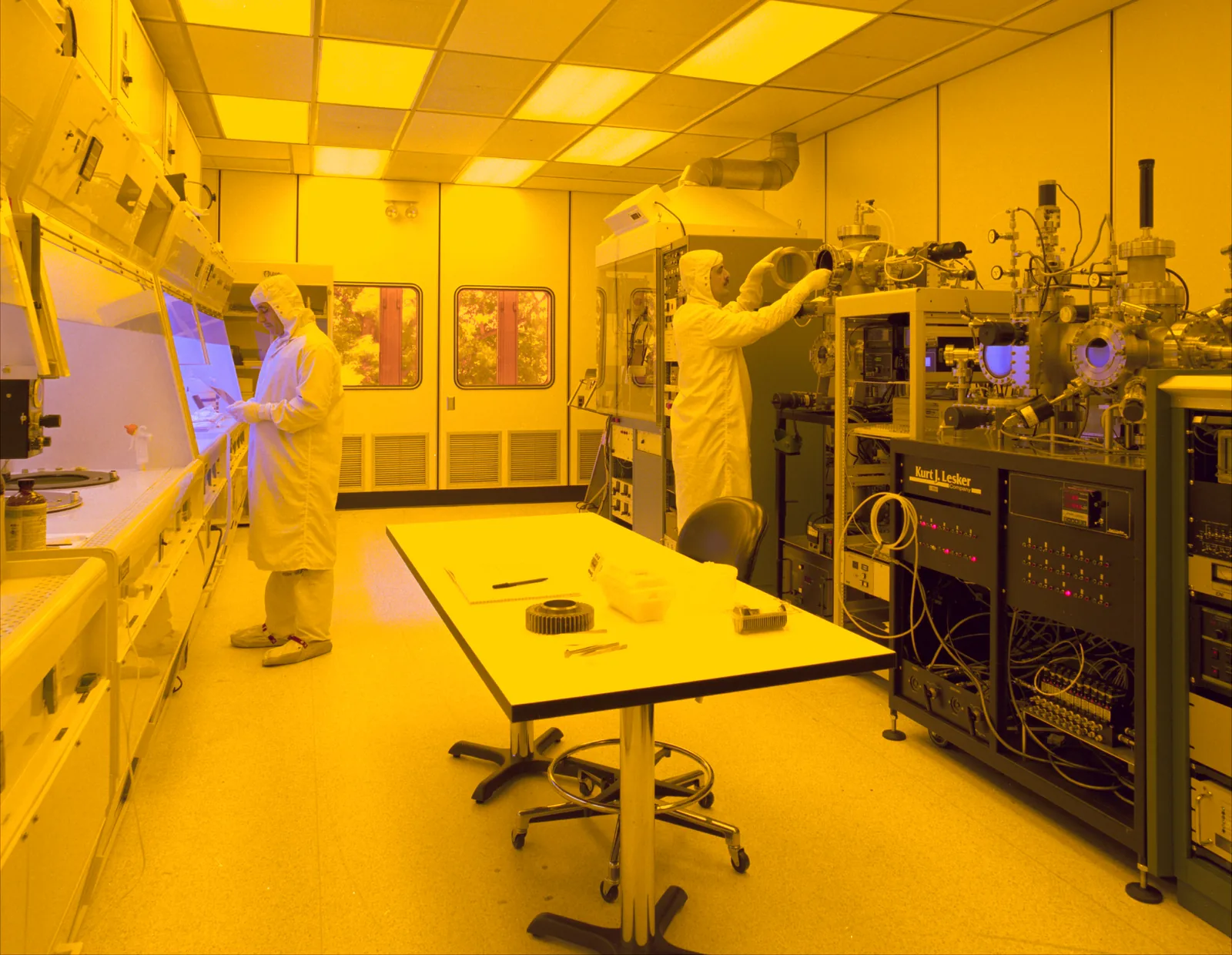
Technicians working in a controlled cleanroom environment
Professional technical spaces depend on controlled behavior, clear procedures, and attention to the work area. Image: NASA Glenn Research Center, public domain via Wikimedia Commons
Non-Negotiables

Know the baseline expectations

These expectations apply before activity-specific tool rules are introduced.

PPE

Prepare yourself

  • Wear safety glasses when directed or required.
  • Wear closed-toe shoes for fabrication activities.
  • Tie back long hair.
  • Secure loose clothing and dangling jewelry.
  • Use gloves only when appropriate and directed.
Behavior

Protect the workspace

  • No horseplay, rushing, or distracting others.
  • Use tools and materials only with permission.
  • Keep work areas and walkways clear.
  • Respect active build zones.
  • Report damage, injuries, and unsafe conditions immediately.
Scenario Vote

What should happen first?

Vote before opening the answer.

A student notices that a cutting tool has a loose handle, but the class is already behind schedule.

  1. AUse it carefully and tell the teacher later.
  2. BAsk a teammate to test it first.
  3. CStop, keep others from using it, and report it immediately.
  4. DPut it back without saying anything.
Reveal the safest response

Best answer: C

Stop, prevent use, and report the condition. Schedule pressure never overrides safety.

Stop

Do not continue with unsafe equipment.

Protect

Keep others away from the hazard.

Report

Tell the teacher immediately.

Access Requirement

Signed acknowledgment comes before tool use

Orientation does not replace individual equipment certifications.

1

Review

Student and parent/guardian review classroom and FabLab expectations.

2

Return

Submit the signed paper acknowledgment as a graded completion item.

3

Certify

Complete separate tool certifications before operating specific equipment.

Until the acknowledgment is returned: you may participate in class, but you may not use FabLab tools or machines.
Mission Debrief

What You Submit

Complete the safety-readiness requirement before future fabrication work.

Safety Acknowledgment

  • The completed safety acknowledgment with required student and parent/guardian signatures.
Resources

Lesson 0.3 Resources

Use only the files and references that support today’s work.

PowerPoint

Lesson 0.3 Student Presentation

Google Slides-friendly 16:9 lesson deck with question slides followed by separate answer-reveal slides.

Optional Video

STEMonstrations: Lab Safety

A short visual reinforcement of PPE and safe behavior in technical workspaces.

Course Hub

Introduction to Engineering Design

Return to the IED course hub for units, resources, certifications, and current course information.