
Learning Targets
- Prepare final documentation for the launch-pad prototype.
- Explain how the design changed from concept to final version.
- Justify how the final prototype meets criteria and constraints.

Focus Question: How do engineers communicate and defend a final design?
Prepare a concise design review that shows the process—not only the finished object.
Every important design claim is supported by a sketch, photo, test result, observation, or documented decision.
A finished prototype is not enough; the team must show how evidence shaped it.
Quick class share: What would you need to see before accepting a team’s claim that its design meets the requirements?
A design review explains and defends the final design with evidence.
It shows the path from problem definition to testing, revision, and final performance.
Labels and views help an audience inspect the design claim.
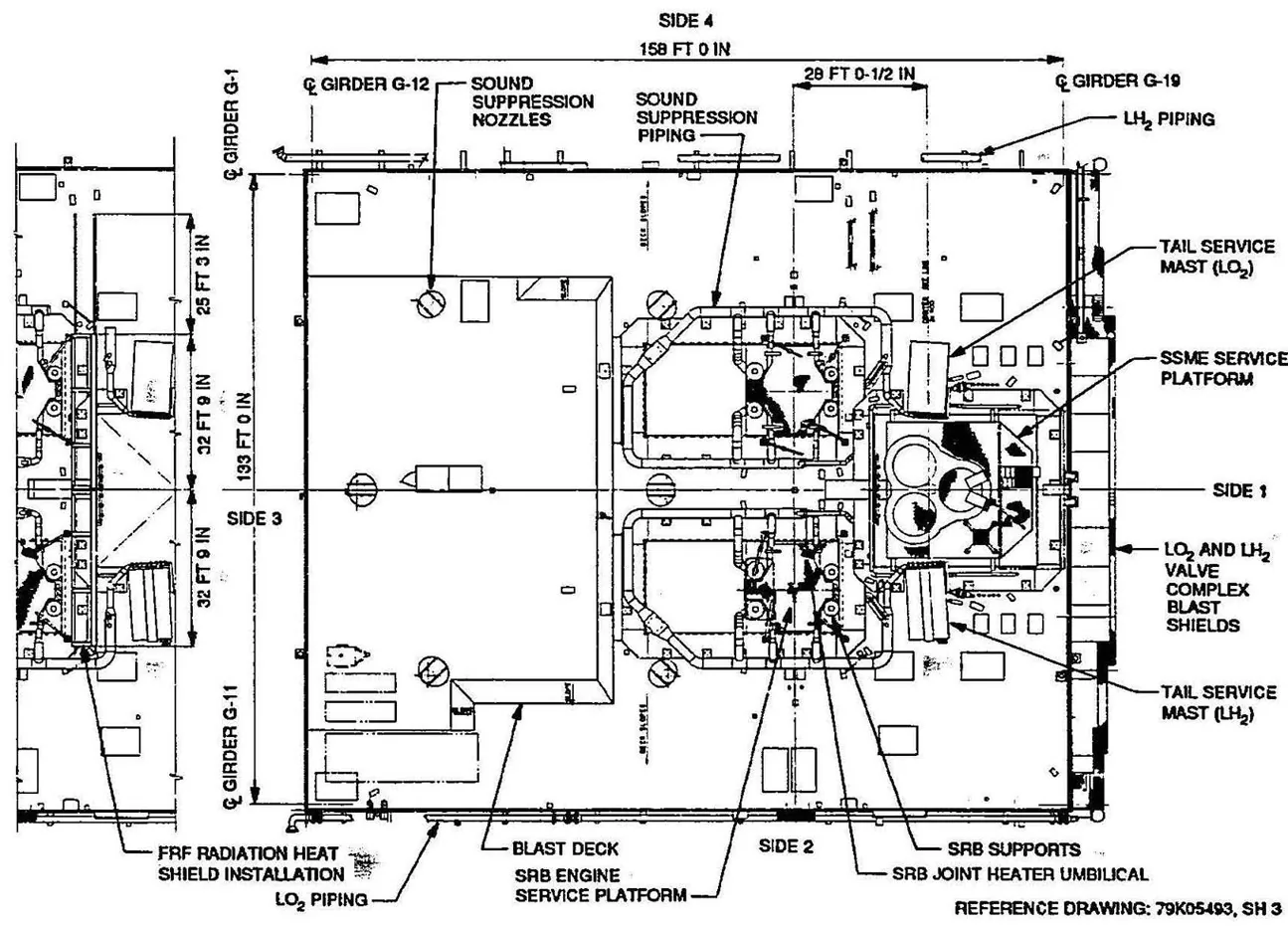
Select evidence that helps the audience understand decisions.
The review should be concise, ordered, and evidence-based.
Specific language helps connect claims to proof.
Choose the strongest next step before opening the answer.
A team plans to show only the finished prototype because the changes seem obvious.
The audience needs evidence showing how the team reached the final design. A review should make the reasoning inspectable.
Create the final evidence package for the launch-pad challenge.
Unit 0 Portfolio Check & Design Reflection
Open Lesson 0.12Use only the files and references that support today’s work.
Use the editable form to organize design evidence and review feedback.
Optional editable PowerPoint structure for a formal design presentation.
Return to the IED course hub for units, resources, certifications, and current course information.